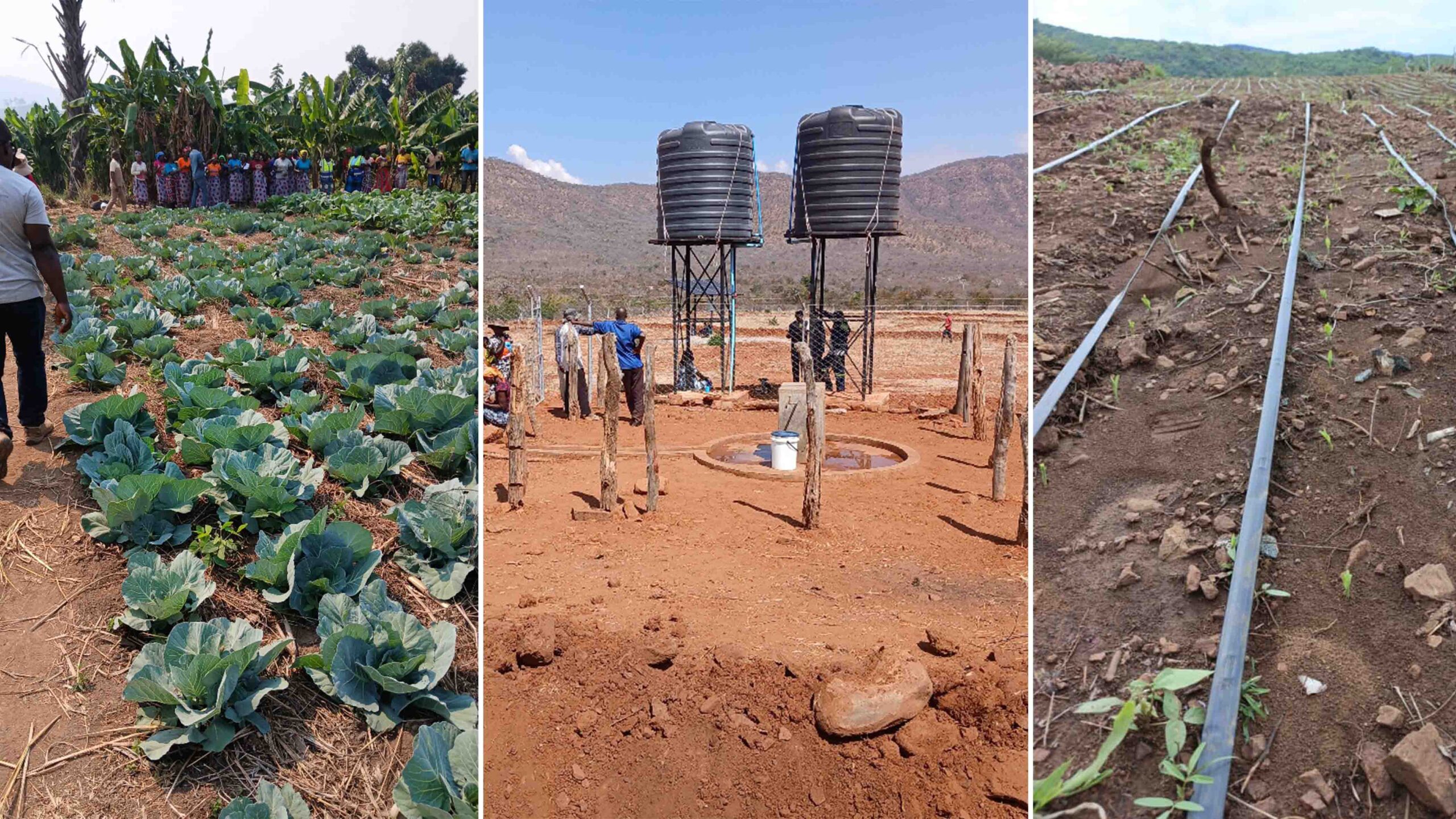
In response to climate variability and the need for enhanced food security, Chimanimani Rural District Council and its development partners have championed the establishment of community-led nutritional garden projects over the past two years. This is one of the initiatives rooted in a vision of promoting climate-smart agriculture, empowering local households, and fostering sustainable land use. By integrating drip irrigation, agroecology, fish farming and community ownership, these projects are transforming livelihoods while advancing environmental conservation across our district.
Project Implementation & Reach
Nutritional gardens were introduced between 2024 and 2025 across multiple wards, directly benefiting more than 300 households:
- Ward 7: Nemakonde, Mhizha, and two Tagarirwa gardens. (1 FAMBIDZANAI and 1 TSURO) TSURO operating under the NATURE + PROJECT
- Ward 17: Zimunda and Tomeke gardens. (VALLEY OF HOPE and TSURO under the BROT PROJECTS)
- Ward 18: Three gardens under the Centre of Excellence initiative. (TSURO SMALL FUNDS)
- Ward 19: Chikwizi and Changazi nutrition gardens. (TSURO)
Community Ownership & Local Resource Mobilization
Success has been driven by active community participation. Villages contributed locally available resources, including labour, stones, quarry, and sand—to construct gardens and erosion-control gabions. Communities also established fish-ponds, indigenous tree nurseries and carried out tree planting, enhancing both the projects and local ecosystems.

Impact on Livelihoods & Health
Sustainable practices are central to the project’s design:
- Drip irrigation systems: minimize water use and prevent over-irrigation
- Agroecological approaches: promote organic fertilizers, manure use, and conservation farming
These methods build resilience against drought and unpredictable rainfall, preserving soil health and water resources.
Skills Development for Long-Term Resilience
Farmers have received training in key areas to ensure project sustainability and scalability:
- ISALs (Income, Savings and Lending) for financial management.
- Record keeping and market-led production strategies.
- Constitution-making for stronger project governance.
These skills empower participants, particularly women and youth, to manage their gardens effectively and expand their economic opportunities.
Future Vision & Collaboration
The Council sees significant potential to expand this initiative. There is room for collaboration with development partners, private sector actors, and NGOs to:
- Scale up garden projects to more wards.
- Strengthening market linkages for garden produce.
We believe these gardens are not just sources of food; they are hubs of learning, resilience, and sustainable development.
About the Author